
Winter tourism has long ceased to be a “pleasant bonus” to the warm weather. It works as a seasonal lever: in certain months, the tourist flow increases dramatically, and with it money, employment, and demand for services accelerate. The world as a whole receives more than 9% of GDP from tourism, and in some countries the share of the industry exceeds 10-12% and it is the winter season that often attracts the most concentrated “wave” of international visitors. During such periods, the growth of tourists reaches 3-5% in annual terms, and in one quarter there are millions of arrivals. And this is not an abstraction: seasonality turns into an applied economy, where every decision is felt in the city and in the labor market.
The Economy Of The Winter Season: Demand, Costs, Employment

The winter tourist season is especially noticeable where the climate allows you to relax “in a T-shirt” while other regions wrap themselves in scarves. Seasonal demand consists of several layers: recreation, events, business tourism, family tourism, wellness tourism, adventure tourism. As a result, the tourism economy receives not only direct payments for accommodation and meals, but also a multiplier effect when tourist expenses spread through the supply chains, service and logistics.
Employment is growing both vertically and horizontally. Direct jobs are emerging in hotels, transportation, services, excursions, and leisure facilities. Indirect ones are in construction, supply, catering, site preparation, and flow management. During peak months, hotel occupancy stays at 75-85%, and sometimes rises higher, and this immediately changes the dynamics of the labor market: seasonal vacancies appear, demand for service competencies increases, and the role of event management increases.
Infrastructure And Urban Environment: What “Pulls” Tourism

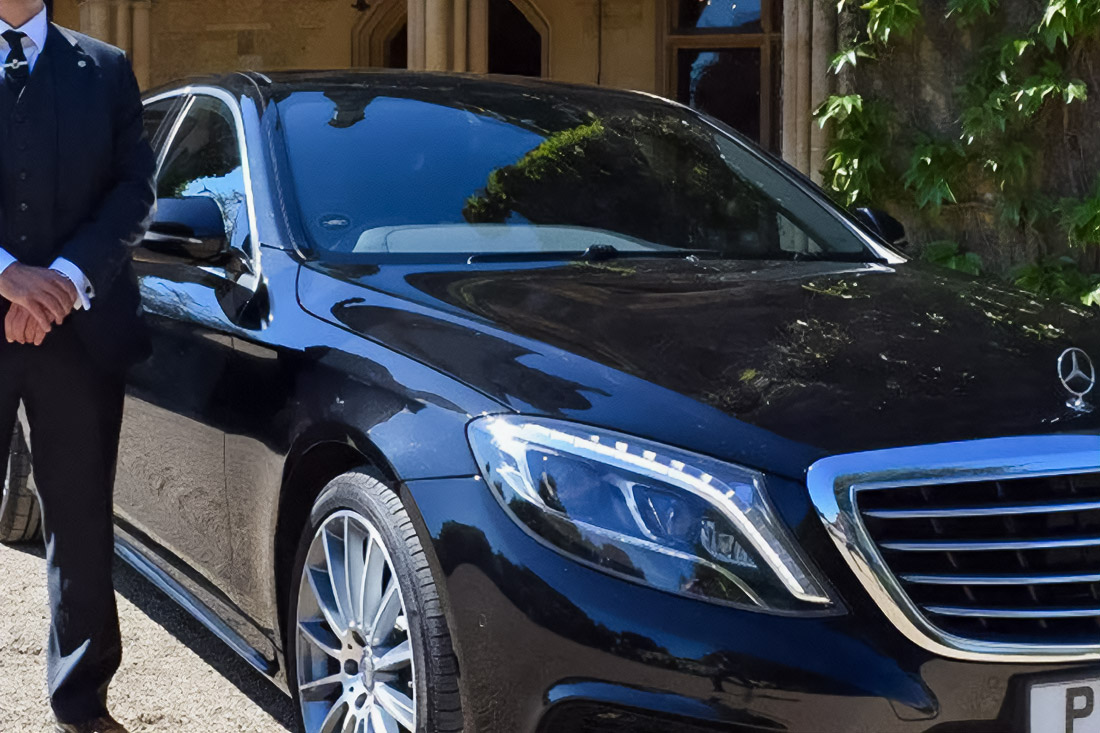
A high tourist flow is impossible without transport accessibility, including chauffeur service in Dubai. Passenger traffic at aviation hubs exceeds 90 million people per year, and this is an indicator of the scale to which everything else is being pulled up: the road network, public transport, transfer hubs, and pedestrian infrastructure. Tourism literally forces the city to be collected. Fast. Understandable.
An important marker is the hotel fund. When the number of available rooms exceeds 150,000 units, this means not just “a lot of hotels”, but the ability to receive large volumes of international visitors without destroying the quality of service. And the paradox is that infrastructure projects that are launched “seasonally” often start working for residents all year round. The quality of the urban environment is improving, new spaces are emerging, and the convenience of movement is increasing. The tourist attraction here is closely linked to the quality of life.
Events, Culture And Sustainable Growth: Why Balance Is Important
The winter season almost always coincides with a busy calendar of events. Festivals, cultural events, sports events, exhibitions all this creates additional demand and creates points of attraction. Moreover, major events can produce a multibillion-dollar economic effect in one season, enhancing both business tourism and leisure tourism at the same time. The tourist experience is becoming the main product: people need impressions, not just a “tick” in the list of cities.
But growth is not free. An uncontrolled influx of tourists can overload infrastructure, put pressure on resources and cause social tension. Therefore, sustainable development and sustainable tourism are becoming not a buzzword, but a work necessity: seasonality management, environmental initiatives, responsible consumption, and proper flow allocation. In a long-term strategy, it is important to maintain sustainable growth without losing the tourist appeal and without worsening the urban environment.
Wintertourism, to be honest, is a test of manageability. It shows how well the city is able to cope with peaks, stay comfortable and maintain the quality of service. And that is why the winter season is increasingly perceived not as a “high season”, but as a systemic driver of the economy and infrastructure, which works every year predictably, rigidly and very clearly.

Hockey fan, nature enthusiast, hiphop head, Eames fan and HTML5 Guru. Doing at the junction of aesthetics and programing to create great work for living breathing human beings. I work with Fortune 500 companies and startups.